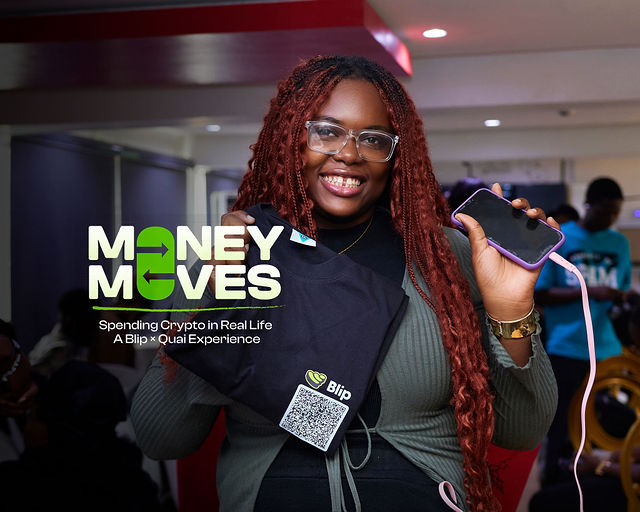
Money Moves
Lagos
Cafe One, UNILAG
A room built on purpose. Screened at the door, measured after it.
The Brief
Get real Nigerian business owners into one room and give them a reason to adopt digital checkout, not just hear about it.
Most Web3 events in Lagos optimise for attendance. Fill the room, take the photos, post the recap. That produces a crowd and very little else. The brief here was different, and harder: the value of the event would be judged by what the people in the room did afterwards.
That single constraint changed every decision that followed. Who gets in. How they are approved. What the venue needs to feel like. What happens on stage. What happens after everyone goes home.
The Approach
Screen the room before you fill it.
Registration was run on approval rather than open access. Every attendee went through a process before being confirmed, which meant the guest list could be built toward a specific composition instead of whoever clicked first.
The target was business owners. Not students looking for an airdrop, not people collecting free food, not the same twenty faces who attend everything in Lagos. People with a business that takes payments, because those are the only people for whom a digital checkout integration is a decision rather than a curiosity.
The Execution
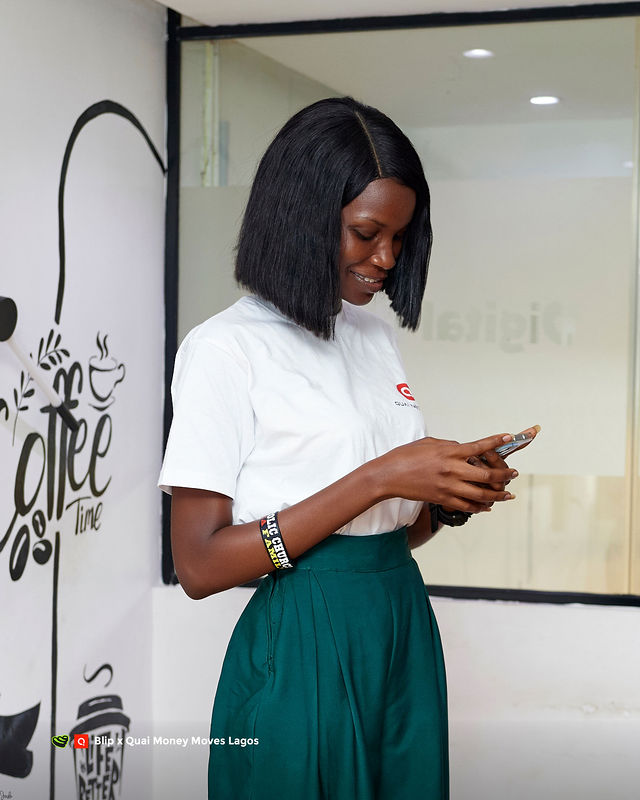
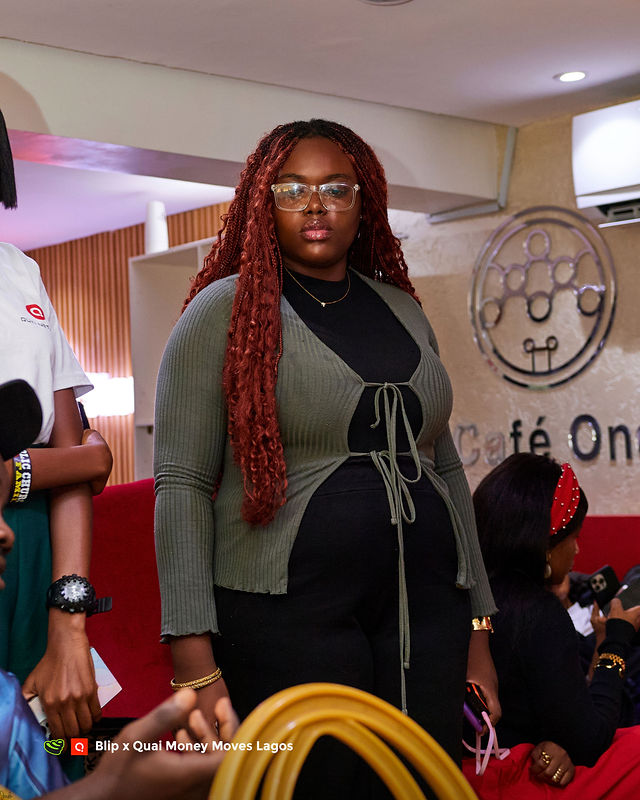
Cafe One at UNILAG, turned from a campus venue into a merchant onboarding environment.
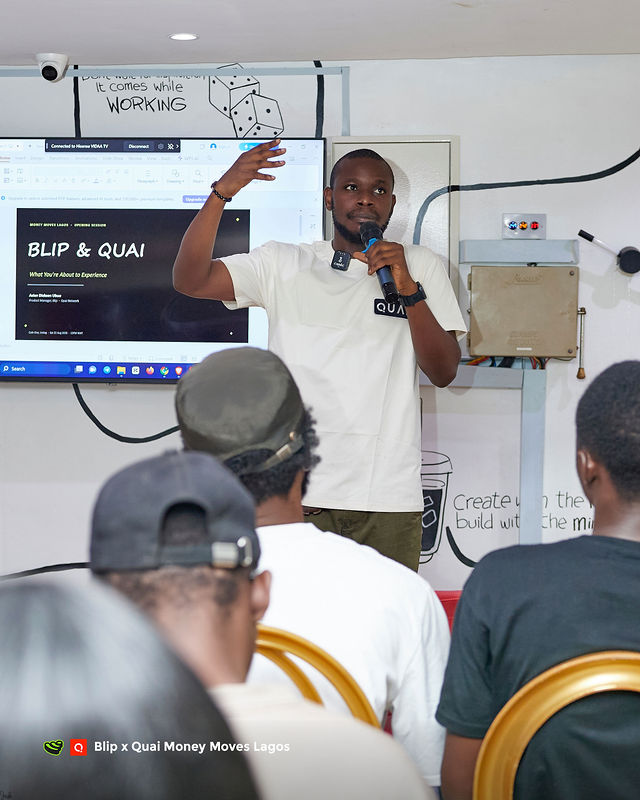
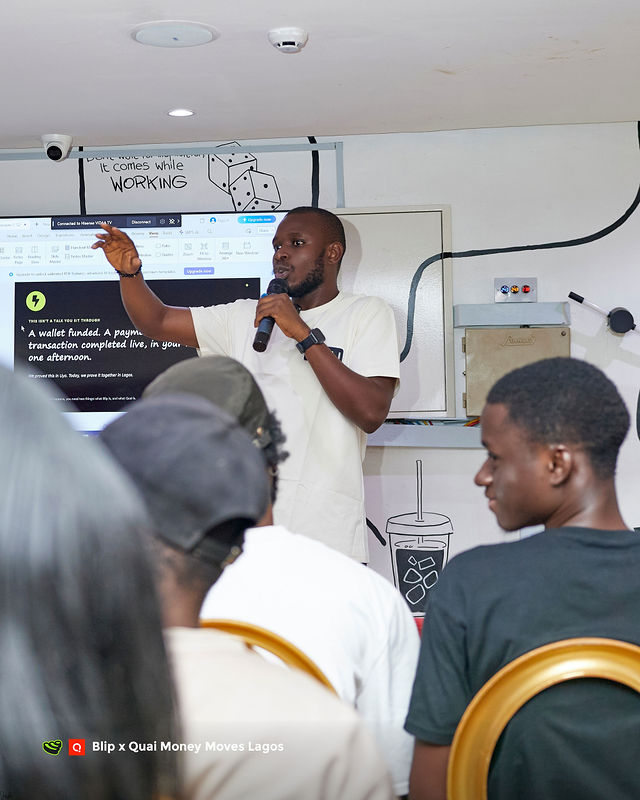
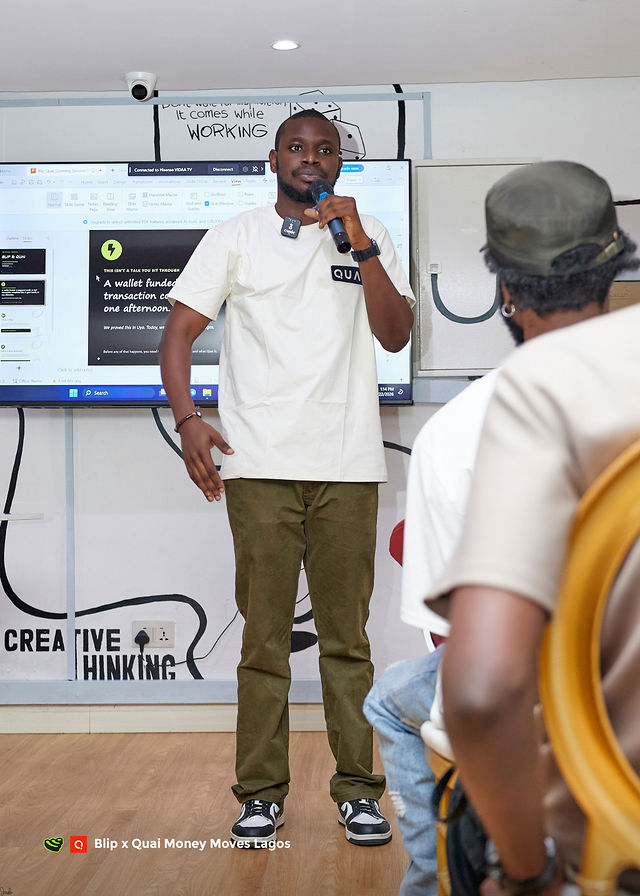
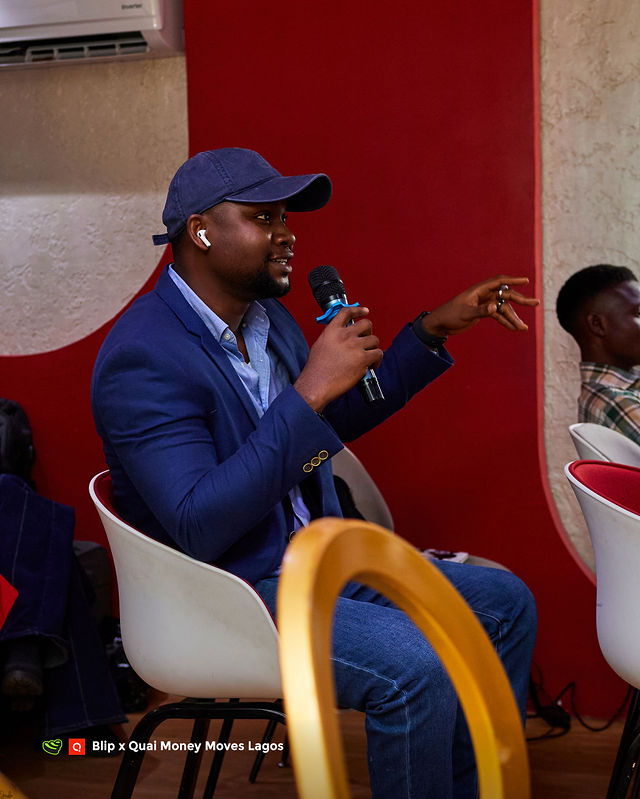
The keynote demonstration was the centre of the programme. Not a panel, not a fireside chat, but an actual demonstration of the product in front of people who could evaluate it against their own business. Everything around it was built to protect that moment: the run of show, the room layout, the timing, the energy management before and after.
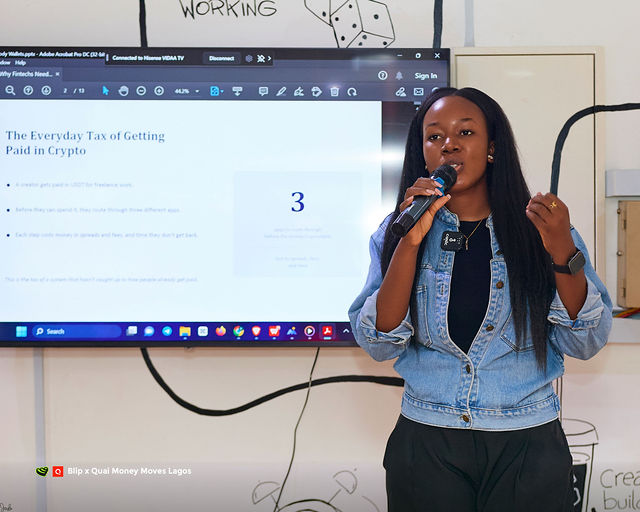
I was not the only voice on the floor. A member of the Blip and Quai team followed with a session on the everyday cost of getting paid in crypto, so the audience heard the same argument from two angles before the floor opened for questions.
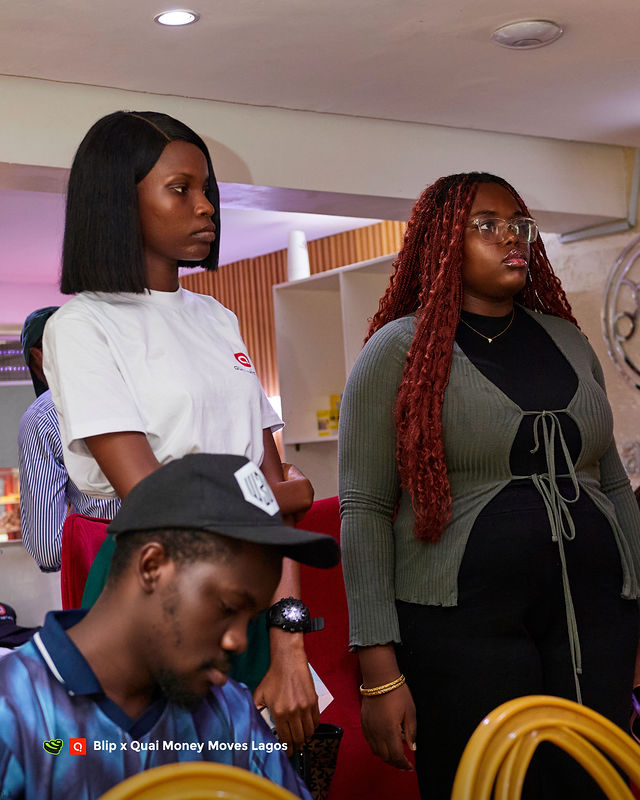
Photography and video were treated as part of the deliverable rather than an afterthought, which is why this case study can show the room instead of describing it.
The Audience
121 people were approved to attend. 44 of them were verified business owners. That ratio is the whole story of this event, and it is what made the outcome possible.
The Outcome
55 of the 121 people in the room asked for the integration.
That is a 45.4% direct follow-up conversion rate. In an ecosystem where events are usually measured in headcount and impressions, this one produced a number that can be defended in a board meeting.
It is not the accident of a good day. It is the arithmetic consequence of screening the room, building the programme around a demonstration rather than a discussion, and treating the follow-up as part of the event rather than as something that happens later if someone remembers.
The follow-up itself was structured: a 48 hour pipeline that moved people from the room into onboarding while the demonstration was still fresh, with 70% of attendees retained into weekly community education calls afterwards.
I can design an event around a commercial outcome, execute it on the ground, and hand back a number that means something.
The Proof
Sixteen frames selected from the full shoot by Jaylo. Select any one to open it full screen, then scroll down for the rest of the archive.
An attendee testimonial recorded on the floor, and the Blip Quest mission card that turned following the event's social accounts into a game.
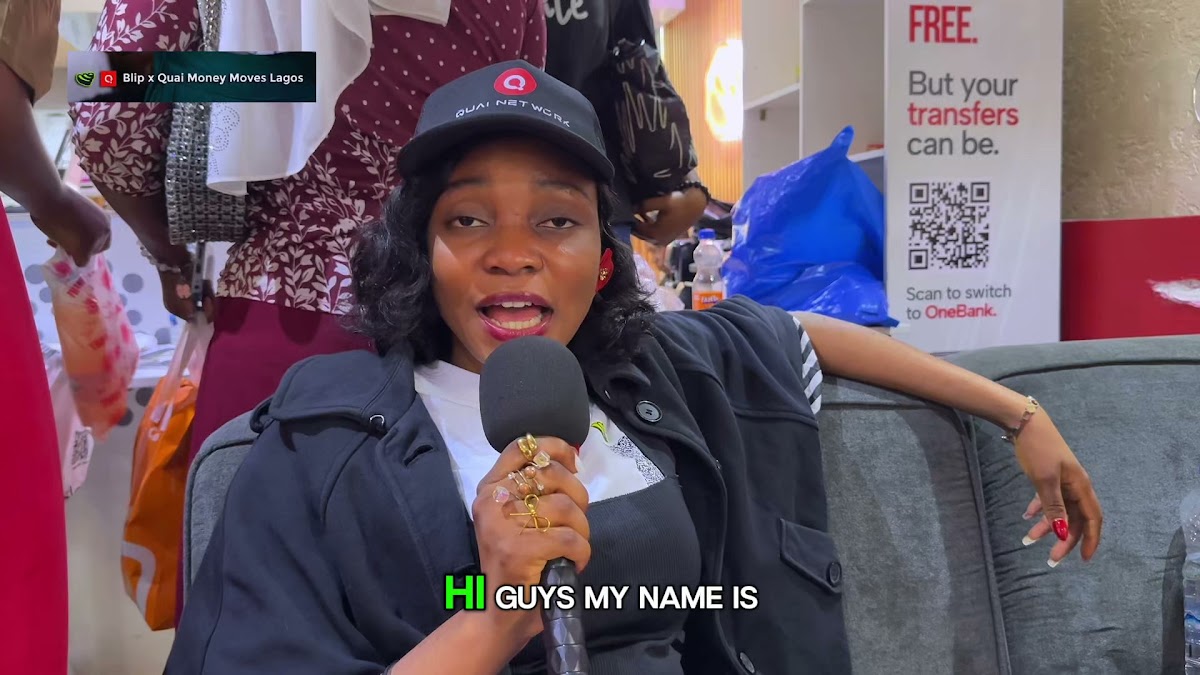
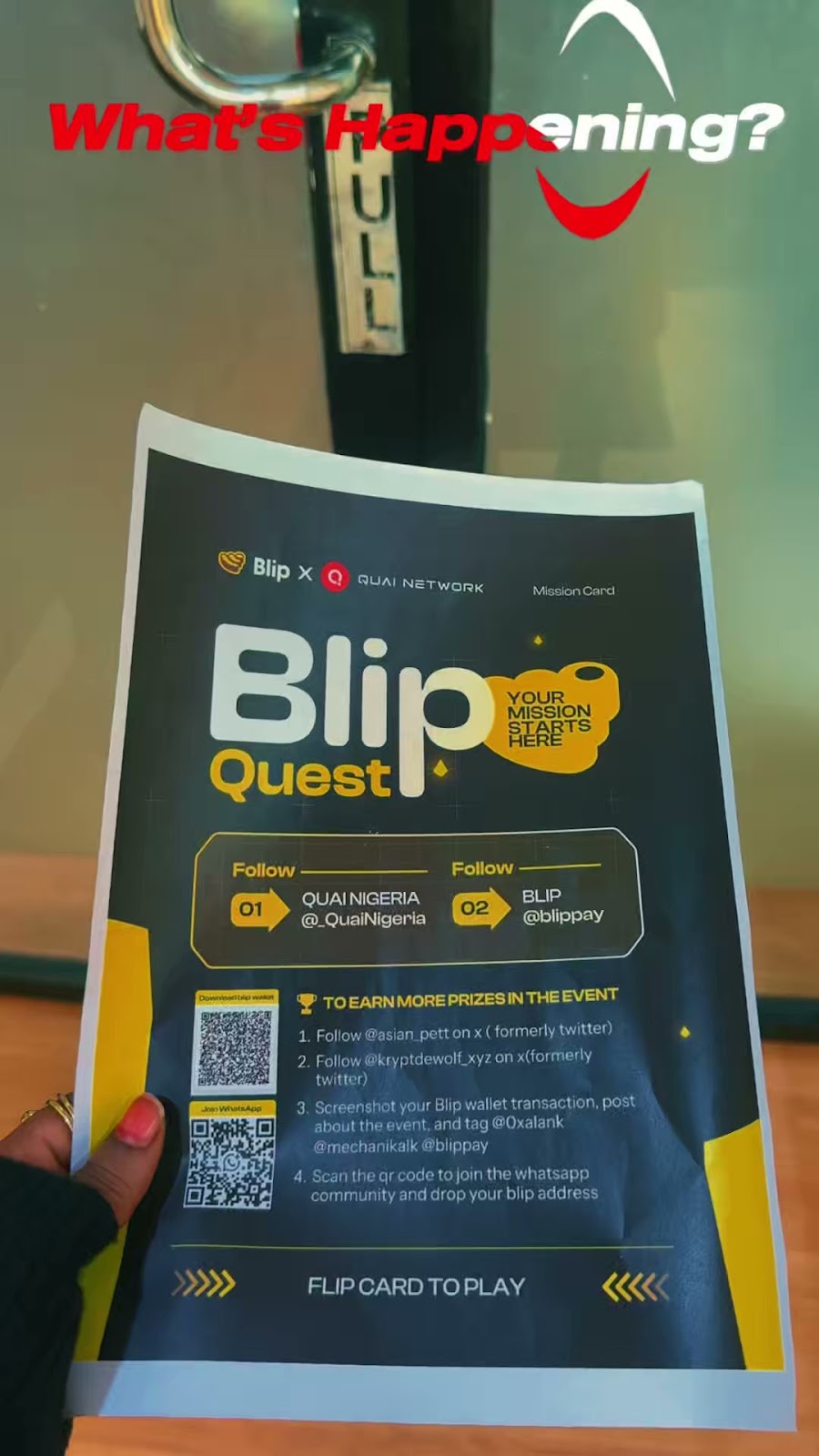
Select either frame to watch on Google Photos
This is sixteen frames
out of the full shoot.
Jaylo shot Money Moves Lagos from open to close: the room filling up, every speaker, every conversation at the tables afterward. What's above is a curated selection. The rest is public, free to browse, and worth the scroll if you want to see the day in full.
Need a room that converts rather than a room that fills?